
Genesis International is a world-renowned expert in water treatment industry specializing in
Reverse Osmosis (RO) Membrane Chemicals
Genesys develops and manufactures specialty reverse osmosis (RO) membrane chemicals, Antiscalants, CIP chemical Our comprehensive range of products is meticulously designed to address the diverse challenges associated with membrane cleaning, fouling prevention, and overall performance enhancement.Genesys products optimize membrane systems to improve efficiency and longevity
At Genesys, we understand that ongoing maintenance is critical to ensure optimal performance and maximum membrane life in reverse osmosis water treatment plants. Our innovative products target common and unusual membrane foulants such as calcium carbonate, silica, calcium sulfate, clays/aluminosilicates, and biofilm. Our products prevent and remove these foulants while posing no risk to membrane integrity. Whether you’re facing fouling issues, scaling concerns, or simply seeking to enhance membrane performance, Genesys has the solution tailored to your needs.
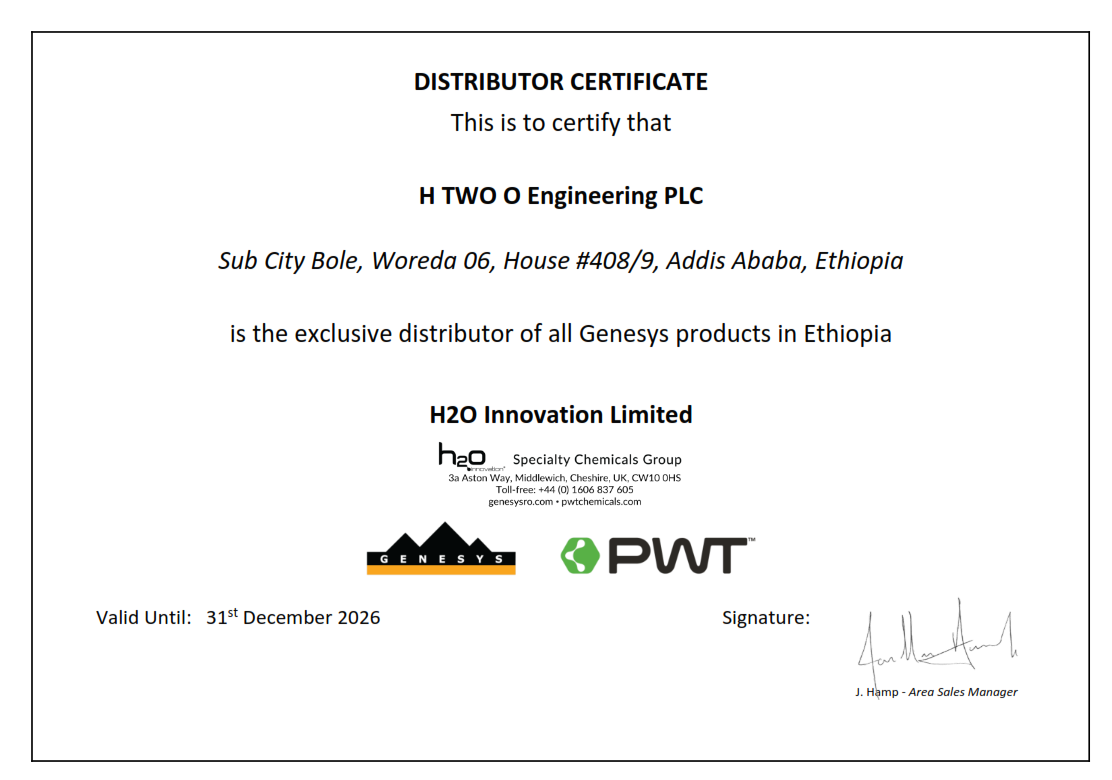
Our research and development team works closely with membrane manufacturers to ensure product compatibility. Our membrane forensics laboratory in Madrid, Spain, carries carry out membrane autopsies, water analysis and performance and cleaning tests for customers all over the world. Our market-leading products are distributed by a select network of distributors, hand-picked for their expertise in the water industry.
How To Choose The Right Cleaner
Cleaners for membrane water treatment systems play a crucial role in maintaining the efficiency and longevity of membranes, especially in processes like reverse osmosis (RO), ultrafiltration (UF) and nanofiltration (NF). Choosing the right cleaning solution is essential to ensure thorough fouling removal without damaging the membrane or compromising water quality. Here are some key considerations when selecting membrane cleaning chemicals:
Type of Fouling Different types of foulants require specific cleaning approaches. For example, organic fouling may be effectively removed using enzymatic cleaners, while inorganic foulants like silica and carbonate deposits may require alkaline or acid-based cleaners for dissolution
Membrane Compatibility Cleaning solutions should be compatible with the membrane material to prevent degradation or deterioration of membrane performance. It’s important to consult membrane manufacturers’ guidelines to ensure compatibility
pH and Alkalinity PH plays a critical role in membrane cleaning efficacy. Alkaline cleaners are typically used to dissolve organic foulants and mineral deposits, while acidic cleaners are effective against scale formation. Balancing pH and alkalinity is essential to prevent membrane damage.
Specialty Formulations
Some cleaning chemicals are specifically formulated to target particular foulants or membrane types. Specialty cleaners may offer enhanced performance in challenging fouling scenarios or for specific membrane materials.
Our CIP Chemicals
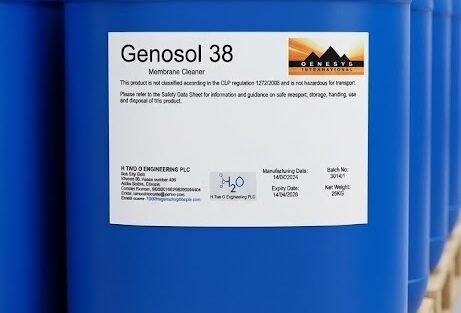
Genesol 38:- is an inorganic scale cleaner and iron deposit remover for use in RO and NF membrane systems and has been approved for use in drinking water applications. Used at the right concentration, its self adjusting pH ensures highest solubility of iron salts is achieved.
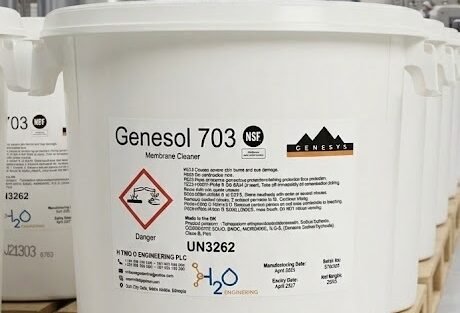
Genesol 703:- is a general-purpose cleaner for an extensive range of organic based foulants found in RO and NF Membrane systems. It’s particularly effective against aluminium silicate, which can be difficult to remove with conventional cleaners.
Antiscalant
By considering these factors and selecting the appropriate antiscalant, water treatment plants can achieve efficient scale control, reduce operational costs through energy savings and reduced cleaning frequency, and prolong the life of RO membranes, ensuring consistent water quality for various applications.
How To Choose The Right Antiscalant
Water Composition
Analyzing the recent composition of the feed water is essential to identify potential scaling minerals such as calcium carbonate, calcium sulfate, silica, and others. This analysis helps in selecting an antiscalant formulation tailored to the specific contaminants present, and should be updated regularly.
Scale Formation Potential
Understanding the scaling tendency of the water source is vital. Waters with high concentrations of scaling ions like calcium and magnesium require stronger antiscalants to prevent scale buildup effectively.
Membrane Compatibility
Antiscalants should be compatible with the membrane material to avoid damage or reduced performance. Different membranes, such as those used in nanofiltration, may require specific antiscalant formulations.
Proper Dosing
Maintaining proper dosing levels of an antiscalant is crucial for its effectiveness. Overdosing can lead to unnecessary chemical usage and potential membrane fouling, while underdosing may result in inadequate scale inhibition.
pH and Alkalinity
Antiscalants often work optimally within a specific pH range. Understanding the pH and alkalinity of the water source helps in selecting an antiscalant that functions effectively under those conditions.
Dispersant Properties
Some antiscalants also act as dispersants, helping to keep scale particles in suspension rather than allowing them to settle on membrane surfaces. This property can aid in reducing fouling and improving overall system efficiency.
Our Antiscalants
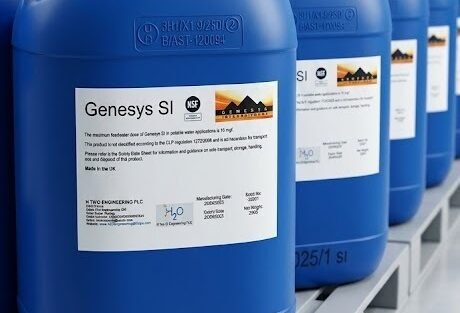
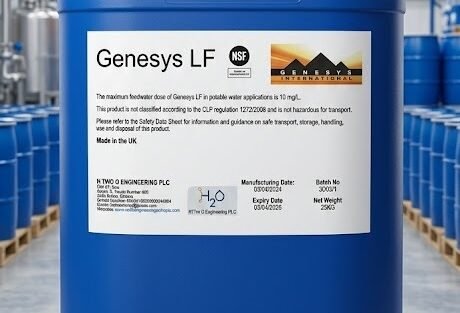
Genesys LF:- is a general purpose liquid antiscalant & antifoulant for use in RO and NF systems. This concentrated phosphonate product is effective against a wide range of inorganic scaling species and also sequesters trivalent metal cations. Feed water source: Sea & Brackish wat
Genesys SI:- is an antifoulant for use in RO and NF systems operating on high silica feed waters and is also effective against all common scale forming salts. Feed water source: Brackish water